When to Move Chicks from Brooder to Chicken Coop

Thumb

0 repins 0 comments

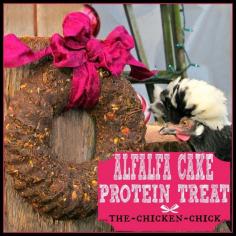
This protein-packed alfalfa cake recipe is a fantastic way to provide molting chickens with a variety of protein sources in one treat while keeping them entertained and active.

Thumb

0 repins 0 comments

During a molt, chickens lose their feathers and grow new ones, which places great demands on their energy and nutrient stores. Since feathers consist of 85% protein, supplementing chickens’ diet with additional protein can help them get through the process. This protein-packed alfalfa cake recipe is a fantastic way to provide molting chickens with a variety of protein sources in one treat while keeping them entertained and active.

Thumb

0 repins 0 comments

All backyard chicken-keepers have an interest in keeping their pet chickens healthy and happy and making minor adjustments to various aspects of their care can have a significant impact on their health and longevity. There are a number of small steps that can be taken to promote the health of backyard chickens.

Thumb

0 repins 0 comments

Keeping backyard chickens should mean that their eggs are fresher, more nutritious and safer to eat than commercially produced eggs, but that will not be the case if eggs are allowed to be contaminated before they even reach the kitchen. Keeping eggs clean in the nest box is a critical step in egg safety and it's not difficult to achieve.

Thumb

0 repins 0 comments

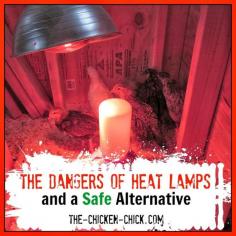
Whether from falling, being knocked over, swinging into contact with a flammable object or a bird or loose feather flying up into it, the traditional heat lamp is a fire hazard even when vigilantly employed.

Thumb

0 repins 0 comments

A common misconception about chickens is that they attract rodents, but the truth is that rodents are attracted to food and water, not chickens. Rodents are a nuisance and a hazard for for backyard chicken-keepers and their flocks for many reasons and controlling them requires a multi-faceted approach.

Thumb

0 repins 0 comments

The wrong treats and treats in excess can be harmful to their health, stunt growth, shorten their lifespan and interfere with egg production. So, what can they eat, what should they not eat and how much is too much?

Thumb

0 repins 0 comments

Chicken City, outside of David Bilderback's Carolina Country Store, in Georgetown, S.C.

Thumb

0 repins 0 comments

Answers from The Chicken Vet on Bacterial Infections and Introduction to Dr. Mike Petrik, The Chicken Vet

Thumb

0 repins 0 comments

5 Ways to Prepare for Chicken Illness, Injury & End of Life Decisions

Thumb

0 repins 0 comments

Supplemental LIGHT in the Chicken Coop: Why & How

Thumb

0 repins 0 comments

If aromatherapy for my chickens is the only benefit to placing herbs in my nesting boxes and coops, I’m fine with that, however, aromatherapy may not be the end of the herbal story.

Thumb

0 repins 0 comments

My (Lulu d'X's) Columbian Wyandotte pullets making pink eggs!

Thumb

0 repins 0 comments

Cute blue chicken coop from The Chicken Chick photo contest on Facebook

Thumb

0 repins 0 comments

There are really only two things that are critical to a backyard flock in cold temperatures: access to water and a dry coop. Actively planning to ensure both is the key to cold weather survival with chickens. When best coop management practices for good ventilation and waste handling are already in effect, bracing for winter's bite shouldn't require much effort.

Thumb

0 repins 0 comments

You can make your own waterer heater for use with either metal or plastic waterers. It will cost less than $10, cost pennies to run and you can complete the project in under ten minutes.

Thumb

0 repins 0 comments

How a Hen Makes an Egg & Egg Oddities

Thumb

0 repins 0 comments

When & how to ferment chicken feed.

Thumb

0 repins 0 comments

In this article we'll look at the some of the most common strange eggs and their possible causes, but first we'll need to know how a hen’s reproductive system is supposed to work when firing on all cylinders.

Thumb

0 repins 0 comments

Sprouting Grains for Chickens in 6 days- easy peasy!

Thumb

0 repins 0 comments

Friends and relatives of chicken addicts don't always "get" the whole chicken-keeping thing, but there are many products that would be tremendously valuable to the chicken keeper in their lives, which would be wildly appreciated as a gift, so I've rounded up some of my favorite things in the helpful, practical and/or fun and frivolous categories. I hope they help!

Thumb

0 repins 0 comments

Muffins for Chickens During Molting Season

Thumb

0 repins 0 comments

There are many types of external parasites that can set up shop in a chicken's feathers, being able to identify each type of louse or mites is not important, but the ability to recognize the signs and symptoms of an infestation and where to find treatment information when needed is. Poultry lice and mites are easily detected and treated.

Thumb

0 repins 0 comments

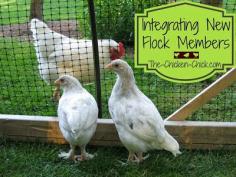
It IS possible to introduce new chickens to a different group of birds without drama or bloodshed. Integrating new chickens into an existing flock does not have to be stressful for the chicken keeper or the chickens. HERE's HOW!

Thumb

0 repins 0 comments

There is no way of knowing when a sick or injured chicken is going to need immediate, medical attention, so it is best to be prepared for the worst. During an urgent, medical situation, acquiring supplies should not be the priority.

Thumb

0 repins 0 comments

Feeding Chickens at Different Ages

Thumb

0 repins 0 comments

Make a Cookie Tin Waterer Heater. Under $10, & 10 minutes!

Thumb

0 repins 0 comments

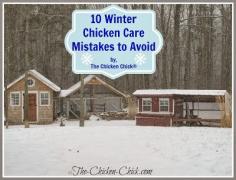
Chickens fare much better in cold temperatures than in hot weather due to their unique physiology and ability to regulate their body temperatures, but they still need our help to create the ideal environment in which to survive winter.

Thumb

0 repins 0 comments

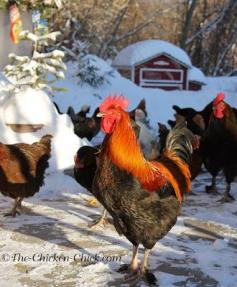
In cold weather, chickens are able to conserve body heat by restricting blood-flow to their combs, wattles and feet, the very parts of the body that give off excess heat in warm weather. The result is a decrease in warmth and oxygen to those extremities, which puts them at risk for frostbite.

Thumb

0 repins 0 comments

Next Page